

🚽 Proper use and maintenance of the toilet
 ONLY TOILET PAPER IN THE TOILET
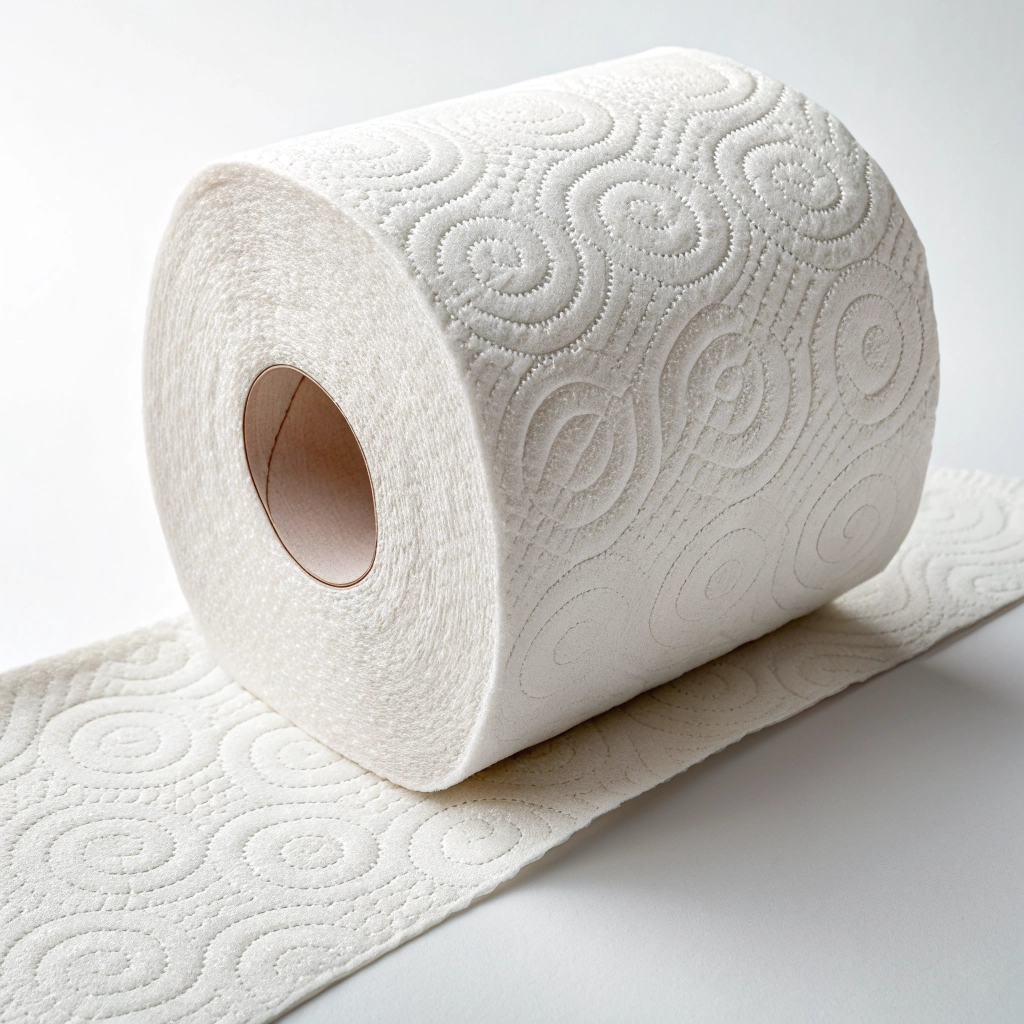
The toilet is designed for toilet paper only.
 Toilet paper → YES
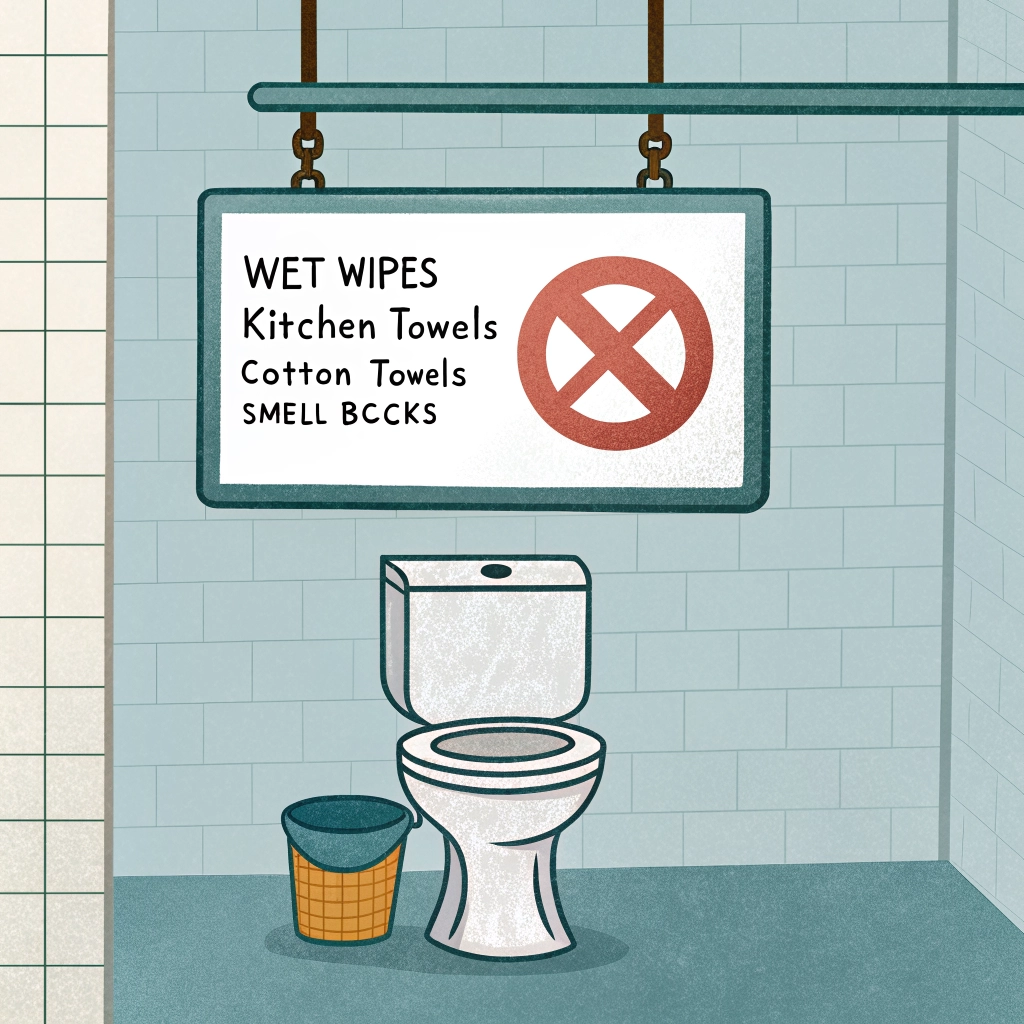
 Wet wipes / baby wipes → NO Kitchen paper / paper towels → NO Tissues → NO Any other objects or materials → NO
Even products labelled “flushable”, such as wet wipes, should never be flushed down the toilet. They do not break down in the same way as toilet paper and can cause blockages further down the drainage system.
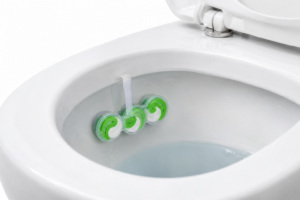
NO TOILET HANGING BLOCKS OR CISTERN BLOCKS
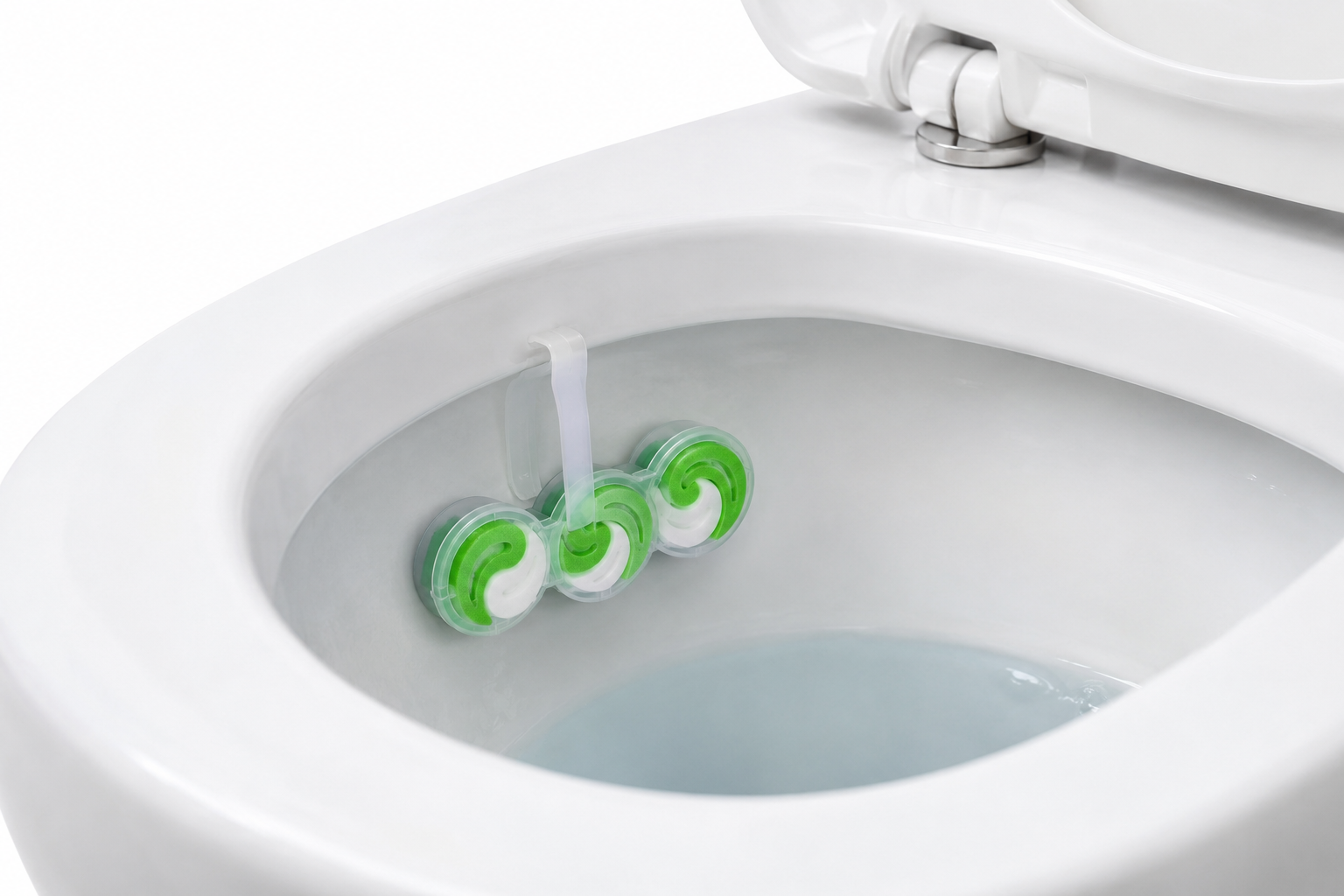
Toilet hanging blocks, fragrance blocks and cistern/flush blocks are not allowed.
These products can become detached and end up in the toilet or drainage system. They can then cause serious blockages and problems further down the pipes.
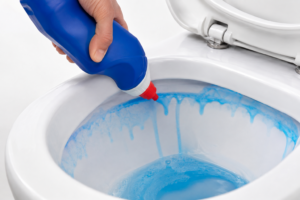
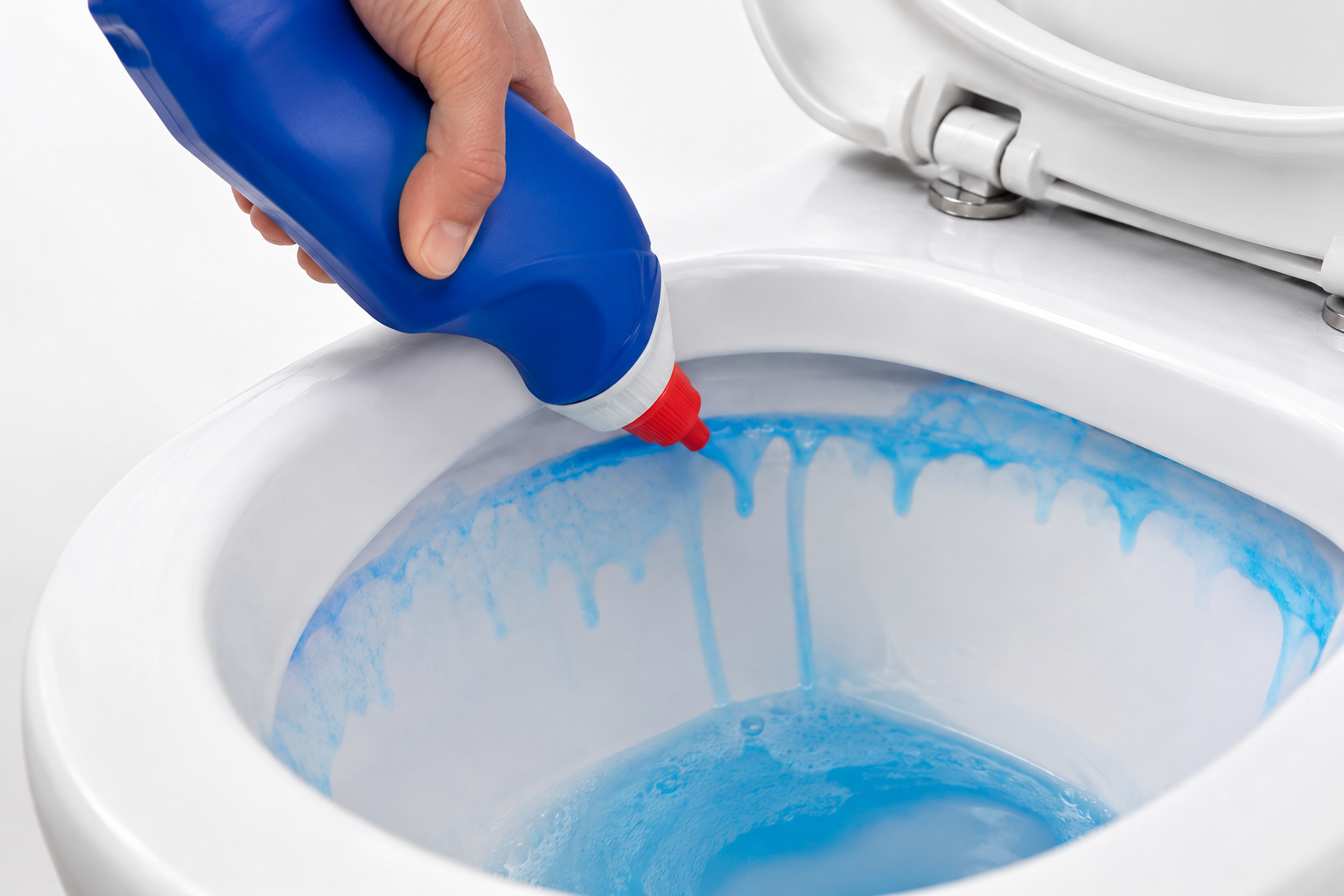
For regular toilet maintenance and cleaning, please use regularly:
 Toilet cleaner such as WC-Eend
- A toilet brush
- Toilet cleaning blocks/tablets intended for regular cleaning, such as the ones that were provided in your studio upon arrival.

 A toilet brush
These are sufficient to keep the toilet clean and fresh without risking damage or blockages.
 ALWAYS REPORT TOILET PROBLEMS IMMEDIATELY
If you notice any problem with the toilet, please report it to us immediately.
This also applies if:
- an unusual or non-permitted object has accidentally fallen into the toilet;
- something has been flushed that should not have been flushed;
- the toilet starts draining more slowly;
- the water level rises unusually high;
- you hear unusual noises or notice anything else that does not seem normal.
- your toilets water keeps running after flushing (Avoid high water cost!)
Please do not wait to see if the problem resolves itself.
If we are informed in time, we may still be able to prevent a small problem from becoming a major blockage, avoiding unnecessary damage, inconvenience and costs.
 WHO PAYS FOR A BLOCKAGE?
Under the applicable housing regulations, the cost of clearing any blockage that was not present or reported at the start of the tenancy is the responsibility of the tenant when the blockage is attributable to the tenant’s use.
In other words: incorrect use of the toilet can result in significant costs for the tenant.
A simple rule is therefore: if in doubt, don’t flush it — and ask first.
 TIPS & LINKS
For regular toilet cleaning and maintenance, use suitable toilet-cleaning products rather than hanging blocks or products that can end up causing problems in the drainage system.
Recommended information: 
https://for-rent-leuven.com/toilet-maintenance-to-avoid-lime-in-your-toilet/
https://for-rent-leuven.com/saving-water-at-home/
https://for-rent-leuven.com/how-to-effectively-clean-yoru-bathroom-tips-tricks/
https://for-rent-leuven.com/help-my-shower-doesnt-drain-well/
https://for-rent-leuven.com/what-are-tenants-responsible-for-in-a-student-studio/